logo
logo

+256 761 401 171

BUYPREQUALIFY
The back of 3 cars lined up in a row

Our Blog Posts

Fuel Prices Got You Watching Every Kilometre? Here are the top Tips on saving your Fuel

Are you tired of watching your hard-earned shillings vanish at the fuel pump? If you’re a car owner in Uganda, you know that fuel prices can turn even the shortest trip into a budget buster. Whether you’re commuting between Kampala and Entebbe or navigating the bustling streets to run errands, managing fuel costs has become a crucial part of daily life. But don’t despair! With a few simple changes to your driving habits and vehicle maintenance, you can stretch every litre further than a marathon runner in Namboole. Let’s dive into practical fuel-saving tips that not only lighten your fuel expenses but also make driving more enjoyable. 1. Smooth Driving: The Key to Fuel Efficiency Are you inadvertently driving like you’re in a race? Aggressive manoeuvres, rapid acceleration and sudden braking demand more from your engine than it needs to. Instead, adopt a more relaxed approach to driving: - Accelerate smoothly - Maintain a consistent speed - Anticipate traffic flow to prevent sudden stops Your fuel gauge should be as calm as you are; no one likes to see it drop like a phone battery after that lengthy phone call! 2. Tire Love: Keep Them Inflated Did you know that under-inflated tyres can be fuel hogs? The extra rolling resistance means your engine must work harder, sucking up more fuel. Make regular tyre checks part of your routine and enjoy a boost in fuel economy, safety, and comfort. Plus, your tyres will thank you for their longer lifespan! 3. Ditch the Extra Weight That toolbox you haven’t used in two years? The gym gear you promised yourself you’d return to? All of these items add unnecessary weight to your car, making your engine work overtime. Travel light. You’ll not only save fuel but also have a more agile vehicle on the road! 4. Embrace Regular Servicing We get it; skipping a service might seem like a cost-saving move. But trust us, procrastination can lead to dirty air filters and worn-out spark plugs that will sap your car’s efficiency. Regular vehicle maintenance is essential for optimising performance and extending the life of your beloved ride. 5. Don’t Waste Fuel on Idling Picture this: you’re parked, waiting for someone, and you think it’s a good idea to keep the engine running. Believe it or not, idling can be more fuel-inefficient than you think. Turn off the engine during long waits; your wallet will appreciate the savings! 6. Plan Your Trips Wisely Ugandan traffic can be unpredictable, which is why planning your trips can save you both time and fuel. Instead of running multiple errands separately, try to combine them into one outing. Use navigation apps to find quicker routes and avoid peak hours. Less time in traffic equals fewer litres burned! 7. Choose Wisely When Buying a Car Not all vehicles are created equal when it comes to fuel efficiency. Consider investing in a fuel-efficient car that will save you money over time. Popular models among Ugandan drivers include the Toyota Vitz, Toyota Corolla, and Suzuki Swift. Each of these vehicles can help you save thousands of shillings monthly! In today’s economy, saving fuel isn’t just about smart driving; it’s about intelligent choices in car ownership. At Autochek Uganda, we understand that buying a car is more than just acquiring a set of wheels. It’s about making informed choices to ensure smart ownership. When you choose Autochek, you’re not just getting a car; you’re gaining access to quality inspected vehicles, flexible financing options, and expert guidance on the best fuel-efficient models on the market. Visit www.autochek.africa/ug today to explore your options and embark on a journey toward smarter, more economical driving.

May 19, 2026

Fuel Prices Got You Watching Every Kilometre? Here are the top Tips on saving your Fuel
New Car vs Used Car in Uganda — Which One Makes More Sense in 2026?

Buying a car is an exciting journey, but in Uganda, it often starts with a familiar phrase: “Let’s look for a used car.” For many, this is a no-brainer, with little thought given to new cars. Why is that? Is it because used cars are genuinely the better choice, or is it simply because many people think that brand-new cars are out of reach? Used cars have built a sturdy reputation here, often perceived as more affordable and accessible. Many buyers dive straight into WhatsApp groups and dealer listings, eager to snag a good deal. However, here’s the surprising truth: many Ugandans who qualify for car financing often overlook brand-new options simply because they believe cash is the only path to car ownership. So, let’s dive into a side-by-side comparison to help you decide which option truly fits your needs. The Good, The Bad, and The Surprise Bills: Exploring Used Cars Pros of Buying a Used Car 1. Lower Purchase Price: This is the primary draw. Used vehicles generally cost less upfront, making them seem like the ideal choice for the budget-conscious buyer. 2. More Choices Within Your Budget: Want that higher-spec model or a big SUV? The used market can help you snag a premium vehicle without breaking the bank. Cons of Buying a Used Car 1. Unexpected Maintenance Costs: What looks great in inspection can turn into a nightmare a few months later. Suddenly, the “cheap” option becomes costly with repairs cropping up. 2. Unknown Vehicle History: Not all used cars come with a clear, clean history. Issues from previous ownership can affect your future spending. 3. Higher Long-Term Costs: Frequent repairs and spare parts can quietly drain your finances over time, turning that great deal into a long-term burden. The Bright Side of Brand-New Cars 1. Peace of Mind: With a new car, you know exactly where it’s coming from; no hidden histories or mystery sounds show up after two weeks. 2. Lower Maintenance Costs: New cars typically require fewer repairs early on, letting you avoid those surprise expenses. 3. Fuel Efficiency and Modern Technology: Today’s vehicles come equipped with better fuel economy, enhanced safety features, comfort, and cutting-edge technology. 4. Warranty Coverage: Many new cars come with manufacturer protection that can inspire confidence in your purchase. So, Which One Is Right for You? The reality is that neither option is automatically better than the other. The real question is: What does your total cost look like? If you have: ✔ Stable income ✔ Ability to raise a deposit ✔ Consistent monthly cash flow Then you might qualify for affordable car financing options in Uganda, like those offered by Autochek, allowing you to drive a brand-new vehicle sooner than you think! Don’t Let Assumptions Drive Your Decision Many people feel priced out of new cars due to a lack of information. The best car purchase isn’t always about the lowest sticker price; it’s about finding value, reliability, and peace of mind long after you’ve driven off. Before you automatically join Team Used, take a moment to explore all your options. Your dream car may be closer than you think! Explore Your Financing Options with Autochek Uganda Ready to find out what you truly qualify for? Check out Autochek Uganda’s affordable car financing options today and drive off in the car of your dreams! Whether it’s a new car or a used one, we’re here to help make your car-buying journey a smooth ride. Remember, the perfect car for you is waiting; don’t let assumptions hold you back!

May 19, 2026

New Car vs Used Car in Uganda — Which One Makes More Sense in 2026?
Are EVs Worth Buying in Uganda in 2026? Cost, Charging & Benefits Explained

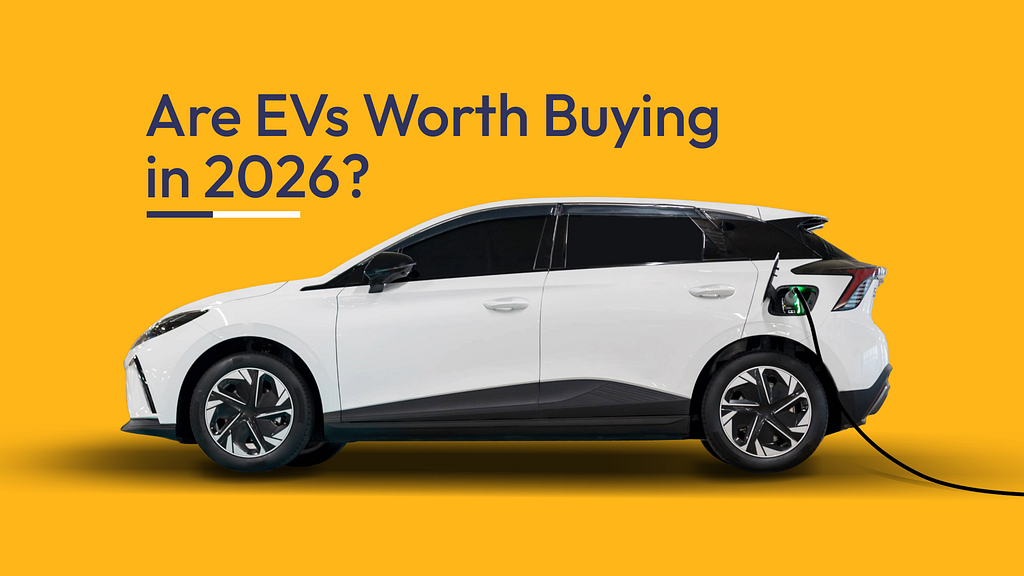
A few years ago, the idea of cruising around Uganda in an electric vehicle (EV) felt like something out of a futuristic movie. Picture silent cars gliding effortlessly around Kampala, much like they do in the fantastic world of Wakanda! Fast forward to 2026, and guess what? EVs are no longer a distant dream. They’re a booming reality in Uganda, making their presence felt on our roads, in dealerships, and, of course, in daily conversations. So, the big question looms: Are EVs worth buying in Uganda in 2026? The answer? It really depends on your lifestyle, budget, and how you use your car. Let’s break it down, shall we? Why the Buzz Around EVs? Searches for terms like “electric cars Uganda,” “EV prices Uganda,” and “best electric vehicles in Uganda” are skyrocketing, and it’s no surprise. Many Ugandans are facing common issues: - High Fuel Prices: Fuel is getting more expensive, making the switch to electric attractive. - Expensive Vehicle Maintenance: Keeping a traditional car running can cost a pretty penny. - Growing Environmental Awareness: More people are concerned about the carbon footprint of their travels. - New EV Brands Entering the Market: Exciting options are popping up! - Improving Charging Infrastructure: Charging stations are becoming easier to find. The big question is, “Why keep filling my tank when there are other options?” The Biggest Advantage: No More Fuel Station Heartbreak Imagine this: You’re racing to a meeting when your fuel warning light blinks ominously. You pull over, only to face the heart-wrenching dilemma of fuel prices. Now, think of the bliss of being an EV owner. No more stopping at fuel stations! Instead, you charge your car at home and save significantly on daily operating costs. For those who frequently commute between Kampala and Entebbe or navigate the busy roads of Mukono and Wakiso, the savings from switching to an EV can really add up over time. Less fuel and more time on the road? Sounds like a win! Maintenance Costs: Your Mechanic Might Miss You Let’s face it: traditional cars have a long list of maintenance needs; engine oil, spark plugs, timing belts, you name it. EVs, on the other hand, come with fewer mechanical components. This means: - Lower Servicing Costs: Fewer parts mean fewer things to fix! - Less Routine Maintenance: Say goodbye to endless trips to the garage. - Fewer Breakdown Points: More time enjoying the drive. That’s why the search for “EV maintenance costs Uganda” is growing. Less time spent in the garage translates to more time on the road. Sounds amazing, right? Charging: A Valid Concern Now, before you dive headfirst into the world of EVs, let’s tackle the big concern: charging. Many Ugandans pause at the thought of, “Where am I going to charge my EV?” It’s a valid question! While Uganda’s charging infrastructure is improving, it’s still developing, so planning is crucial. - How many charging stations are there? - How long does charging take? - Can I charge at home? - How do I handle long-distance travel? For many EV owners, home charging becomes the go-to solution. If your daily routine stays within urban areas, you’ll find it’s surprisingly easy to incorporate charging into your day. But if you’re planning long trips across the country, good old-fashioned preparation will come in handy. The Durable Battery: Everything You Need To Know “What if the battery dies?” you might wonder. Today’s EV batteries are more advanced than one might think. Most modern electric vehicles come with impressive longevity and performance management systems. Factors affecting battery performance include charging habits, weather conditions, and driving patterns. Think of it like your smartphone battery, just much larger and designed to last! The Real Challenge: Upfront Costs Now, let’s be real. One aspect that often gives buyers pause is the initial purchase cost. EVs might have a higher price tag compared to traditional vehicles. You might save money on fuel, maintenance, and daily running costs, but the upfront investment can be significant. So, buyers are asking, “Will I recoup my money?” If you’re a frequent driver planning to keep your vehicle for several years, the math can indeed work in your favour. But for those who drive occasionally or stick to short distances, the immediate benefits might be less striking. EV vs Hybrid: The Middle Ground For some buyers, hybrids serve as a valuable middle ground. These vehicles combine a fuel engine with an electric motor, offering advantages such as improved fuel economy and reduced reliance on charging stations. It smoothly transitions those who are hesitant about going fully electric. Full-electric vehicles, meanwhile, promise zero fuel use, lower maintenance costs, and a quieter driving experience. For many Ugandans in 2026, hybrids can be the perfect stepping stone to a full EV lifestyle. So, Are EVs Really Worth Buying in Uganda in 2026? Here’s the summary: EVs might be a fantastic choice if you: - Drive often - Want to lower your fuel expenses - Prefer lower maintenance costs As you ponder your next vehicle, consider the factors above and determine what best fits your lifestyle. The future is electric, and who knows? You could be one of the trailblazers leading Uganda into a greener tomorrow! Whether you’re eyeing electric cars like Nissan Leaf, Hoda Insight or Toyota Prius, make an informed decision that suits your needs.

May 18, 2026

Are EVs Worth Buying in Uganda in 2026? Cost, Charging & Benefits Explained
How To Check A Used Car Before Buying

So you’re in the market for a used car in Uganda? Exciting times ahead! But before you dive in, let’s take a moment to talk about how to check a used car effectively. Trust me, it’s better to be safe than sorry when it comes to making such a significant investment. The Kampala Illusion Picture this: you stroll through the bustling streets of Kampala, and every car you see sparkles like it just rolled out of the showroom. Dealers have a magical way of polishing cars until they look like fine pieces of art. However, don’t let those shiny exteriors fool you! Under the bonnet, things can be a lot less rosy. Too many buyers have left the lot with a sinking feeling, saying, “The car developed problems immediately after purchase.” This unfortunate tale happens far more often than you’d think! Common Hidden Problems to Be Aware Of Before you hand over your hard-earned cash, familiarise yourself with the most common hidden hazards: -Gearbox Failure: This can lead to costly repairs that could’ve been avoided. - Engine Overheating: A warning sign you definitely want to catch early. -Suspension Issues: Important for a smooth ride; don’t overlook it. - Dashboard Warning Lights: If those lights are on, it’s a red flag! - Flood Damage: A car may look great, but hidden water damage can wreak havoc. - Tampered Mileage: Always verify to avoid being scammed! Don’t Be Fooled Some cars arrive in Uganda already worn out, and they get a fancy makeover before being presented to unsuspecting buyers. Remember these red flags that should make you pause: - Fresh Paint Everywhere: While it can be tempting to admire a beautifully painted car, an abundance of fresh paint might indicate a hidden accident repair. - Extremely Low Price: If it feels too sweet, it probably is. Dig deeper! - Seller Refuses Inspection: This is your ultimate sign to walk away. A transparent seller will want you to be confident in your purchase. What Smart Buyers Do Now that you know what to watch out for, let’s jump into what smart buyers do: 1. Carry a Trusted Mechanic: A knowledgeable mechanic can provide insights you might miss. It’s like having an expert on your side! 2. Test Drive Properly: Don’t just take a quick spin. Drive it in various conditions and note its performance. 3. Check Service History: Get all records to understand how well the car has been maintained. 4. Scan the Engine: A thorough engine check can reveal underlying issues that aren’t visible at first glance. 5. Verify Mileage: Make sure the mileage is consistent with the car’s age and condition. In Uganda, it’s easy to be dazzled by a clean exterior and a slick sales pitch. But remember, a perfect-looking car can hide a world of troubles under the hood. So, before you splash your cash, take the time to inspect beyond the “sharp sharp” appearance. Happy car hunting! 🚗✨

May 18, 2026

How To Check A Used Car Before Buying
Cash Vs. Car Financing In Uganda: Which Is Better?

When it comes to buying a car in Uganda, one of the most significant decisions you’ll face is whether to pay cash or opt for financing. It’s a dilemma many potential car buyers grapple with, and making the right choice can greatly impact your financial health and overall experience. Let’s dive into the pros and cons of each option to help you make an informed decision! Cash Purchases: The Straightforward Approach Buying a car with cash means you own it outright from day one. There are several advantages to this approach: No Monthly Payments: Say goodbye to monthly car payments! Paying cash allows you to avoid the stress of budgeting for loan repayments, leaving your finances more flexible. No Interest Costs: When you pay cash, you’re not dealing with interest rates, which can save you a significant amount of money over time. Simplicity: The process is straightforward. You negotiate the price, pay, and drive away without the complexities of loan agreements. But while cash purchases have their perks, there are also some downsides: Draining Your Savings: Paying cash can significantly deplete your savings, leaving you vulnerable in case of emergencies or unexpected expenses. Limited Options: You may find it difficult to afford a higher-quality vehicle if you rely solely on cash. Financing: The Flexible Path Car financing, on the other hand, is an attractive option for many, especially those looking to maintain some financial flexibility. Here’s why financing might be the way to go: Access to Better Vehicles: Financing allows you to purchase a car that may be out of your price range if paying cash. This is particularly beneficial for business owners, ride-hailing drivers, and families looking to upgrade. Monthly Payments that fit your budget: Financing spreads the cost over several months or years, making it easier to budget. You’ll only need to manage manageable monthly car payments, allowing you to keep cash on hand for emergencies or investments. Building Credit: Regularly making payments on a car loan can help improve your credit score and set you up for future financial success. Low Deposits: Financing allows you to pay a lower deposit, giving you the flexibility you need to use the rest of your funds for business or other investments. So, What’s Right for You? Your choice between cash and car financing will depend on your personal financial situation, goals, and the type of vehicle you want. If you have sufficient savings and prefer the peace of mind that comes with full ownership, paying cash could be the best option. On the other hand, if you’re looking to access a better vehicle and manage payments while retaining cash for other purposes, like business investments, financing is the way to go. Ultimately, whether you decide to buy a car with cash or finance it, the right choice is the one that aligns with your financial goals and lifestyle. Take the time to weigh your options, compare interest rates and deposit requirements, and choose the path that offers you the best balance of flexibility and ownership. Visit www.autochek.africa/ug to start your car purchase.

May 15, 2026

Cash Vs. Car Financing In Uganda: Which Is Better?
The Biggest Mistakes First-Time Car Buyers Make In Uganda

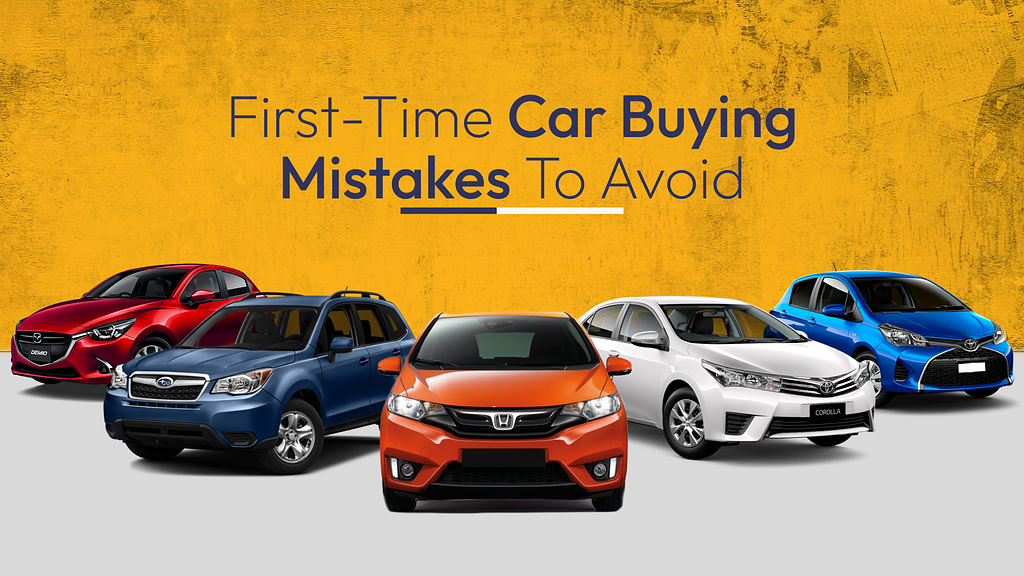
Buying your first car is like stepping into a new adventure; it’s thrilling and, yes, a little nerve-wracking! But if you’re navigating the bustling roads of Uganda for the first time as a car buyer, there are some common pitfalls to dodge to ensure you make a smart investment. Let’s dive into the biggest mistakes first-time car buyers make and how you can avoid them! Falling for Looks: The Allure of Attractive Cars It’s easy to choose a car based purely on its looks, especially when that shiny red SUV catches your eye. However, remember that the best choice isn’t always the flashiest one. Focus on reliability, fuel efficiency, and the long-term maintenance costs. Instead of just “buying a car in Uganda” because it’s pretty, aim for one that meets your needs and fits your lifestyle. Research reliable models that suit your budget. 2. Skipping the Vehicle Inspection: A Costly Oversight Trusting a dealer blindly is a rookie mistake! Not unless you are buying it through Autochek, where we ensure a 150-point check on every car we finance. Thorough vehicle inspections help you avoid unexpected mechanical surprises after you’ve signed the papers. Always insist on having a trusted mechanic inspect the car before finalising your purchase. It’s worth the extra time and money to avoid future headaches. 3. Underestimating Monthly Expenses When buying your first car, it’s essential to look beyond the loan repayments. Fuel, servicing, insurance, and parking fees can pile up quickly. Create a realistic budget that includes all these expenses, so you’re not caught off guard. Pro Tip: Keep track of average costs for your intended vehicle to ensure it fits within your monthly budget. 4. Financial Pitfalls Many first-time buyers feel overwhelmed by the financing process. Don’t just settle for the first option you see! Research various car financing options in Uganda to make sure you’re getting the best deal for your budget. Compare interest rates, repayment terms, and down payment requirements. Being informed can save you a lot of money in the long run! 5. Ignoring the Test Drive You wouldn’t buy shoes without trying them on, right? The same goes for cars! Always take the time to test drive the vehicle. Pay attention to how it feels on the road, check visibility, and listen for any odd sounds. This simple step can help you gauge whether the car is truly right for you. 6. Neglecting Ownership Documents Before sealing the deal, it’s crucial to verify the ownership documents. Always ask for a copy of the car’s logbook and ensure it matches the seller’s identification. This validation helps protect you from potential legal issues down the road. Becoming a car owner in Uganda is exciting, and with a little caution, you can avoid the biggest beginner blunders! Set a realistic budget, research reliable models, compare financing options, and focus on the essentials. With the right preparation and knowledge, you’ll be on the road in no time, driving confidently in your first car. Now that you’re equipped with these beginner car-buyer tips, it’s time to hit the ground running and find that perfect ride through www.autochek.africa/ug . Enjoy the journey, and happy car shopping!

May 15, 2026

The Biggest Mistakes First-Time Car Buyers Make In Uganda
How Kampala Traffic Affects Your Car Choice

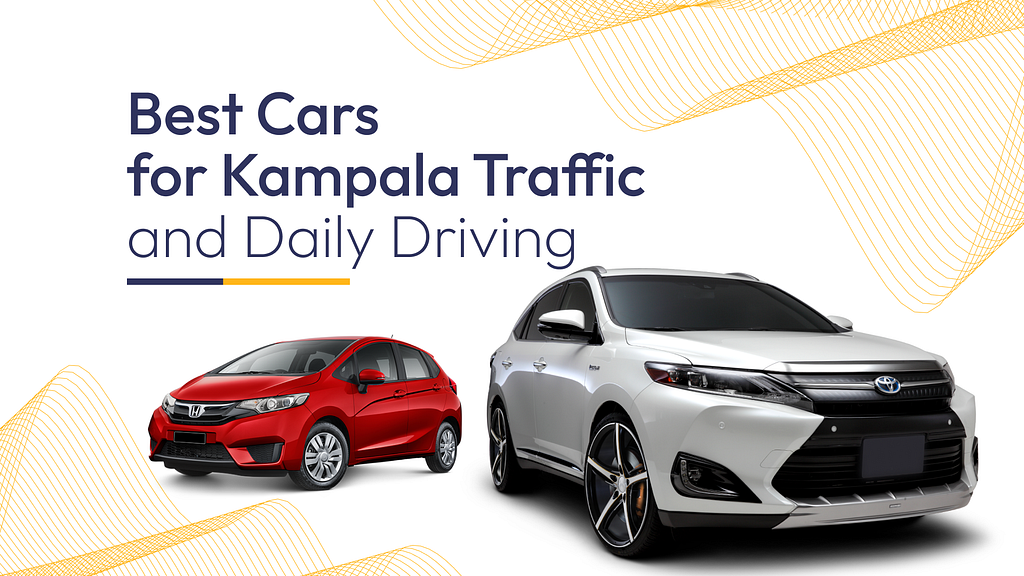
Kampala’s traffic is no joke! If you’ve spent any time on the roads here, you know that sitting in bumper-to-bumper traffic can quickly turn your day into a test of patience. Long hours on the road not only drain your energy but also your wallet, thanks to rising fuel costs and maintenance needs. That’s why nail-biting decisions about which car to buy have never been more important! Why the Right Car Matters Choosing fuel-efficient cars can minimise your daily expenditure, especially if you’re commuting to work or managing a business. Not only will it save you money, but it’ll also keep your stress levels in check as you navigate the bustling streets of Kampala. Plus, compact vehicles make it easier to zip around traffic and find parking in tight spots! Popular Cars for Kampala Driving So, what are the best cars in Uganda for tackling Kampala traffic? Here are some top picks that are a hit among locals: Toyota Premio: Often hailed for its reliability and fuel efficiency, this beauty is perfect for both personal and business use. Toyota Vitz: Compact and efficient, the Vitz is a city driver’s dream. It’s easy to park and fun to drive! Subaru Forester: With a reputation for comfort and safety, the Forester offers ample space for families and business-related travels. Honda Fit: This versatile car is not just stylish but also very economical on fuel. It’s a popular choice for urban dwellers! Toyota Harrier: For those who prefer a touch of luxury, the Harrier combines comfort, status, and practicality, making it a favourite among business owners. Mazda Demio: Known for its sporty look and excellent fuel economy, the Demio is a great option for young professionals. Considerations for Choosing the Right Car When it comes to picking the perfect ride for Kampala’s chaotic roads, consider these key factors: Fuel Consumption: Opt for fuel-efficient cars to cut down on costs, especially if you’re on the road daily. Ground Clearance: A car with good ground clearance can handle potholes and bumpy roads better, which is crucial in Kampala. Spare Part Availability: Familiarise yourself with the availability of spare parts for the car you’re considering. It can make a huge difference in long-term maintenance. Comfort: If you’re going to spend hours commuting, you’ll want a car that feels good to drive. Maintenance Costs: Consider the typical service costs for your new vehicle. Choosing a car with lower maintenance needs can save you more in the long run. Navigating Kampala’s traffic doesn’t have to be a nightmare — not when you have the right car! By choosing one of the best cars in Uganda that is both fuel-efficient and reliable, you can conquer the chaos with ease. And remember, whether you’re running errands, heading to work, or managing a business, having the right wheels can make all the difference. So, what are you waiting for? Start your search today on www.autochek.africa/uganda and find the perfect companion for your Kampala adventures! Happy driving!

May 14, 2026

How Kampala Traffic Affects Your Car Choice
Car Loan in Uganda: Your Quick Guide to Vehicle Financing with Autochek

The thrill of owning a car is more accessible than ever, thanks to convenient car financing options. Autochek makes the process straightforward, enabling you to drive your dream car in just days. This guide will walk you through how to apply for a car loan and secure fast approval. Step-by-Step: How to Apply for a Car Loan in Uganda Select a car make and model that is popular and easy to finance. Check your budget before applying and assess your financial standing. Lenders will typically evaluate your monthly income, any existing loans and your overall ability to repay the car loan. Understanding your budget up front will help you select a car that fits your financial situation. Prepare the required documents to speed up your application process. Typically, you should have: a National ID, a Driving permit, the latest 6 months’ bank statements, a Tax identification number, and proof of income (3 months’ pay slips or an employment letter). Apply Online. Thanks to platforms like Autochek, you can apply for a car loan in a few minutes. The online application process is straightforward, and you receive quick feedback on your application status. Pay your deposit, sign the loan agreement and drive your new car within 72 hours. Common Reasons for Rejection To increase your chances of approval, be aware of the common pitfalls that may lead to rejection, such as: — Having an unstable income, carrying too many existing loans and submitting incomplete documentation Pro Tips to Get Approved Faster Opt for a vehicle that requires a smaller deposit, as it makes you more appealing to lenders. Ensure your income is stable and can cover the new loan and any existing financial obligations. Avoid applying to multiple lenders at once, as this can raise red flags and hurt your chances of approval. Car financing in Uganda is rapidly evolving, with digital platforms like Autochek simplifying the journey from application to car ownership. If you’re ready to see how much you qualify for, apply online today via www.autochek.africa/ug and experience the thrill of driving away in your new car in no time!

May 14, 2026

Car Loan in Uganda: Your Quick Guide to Vehicle Financing with Autochek
Car Financing for Business Owners in Uganda: A Complete Guide

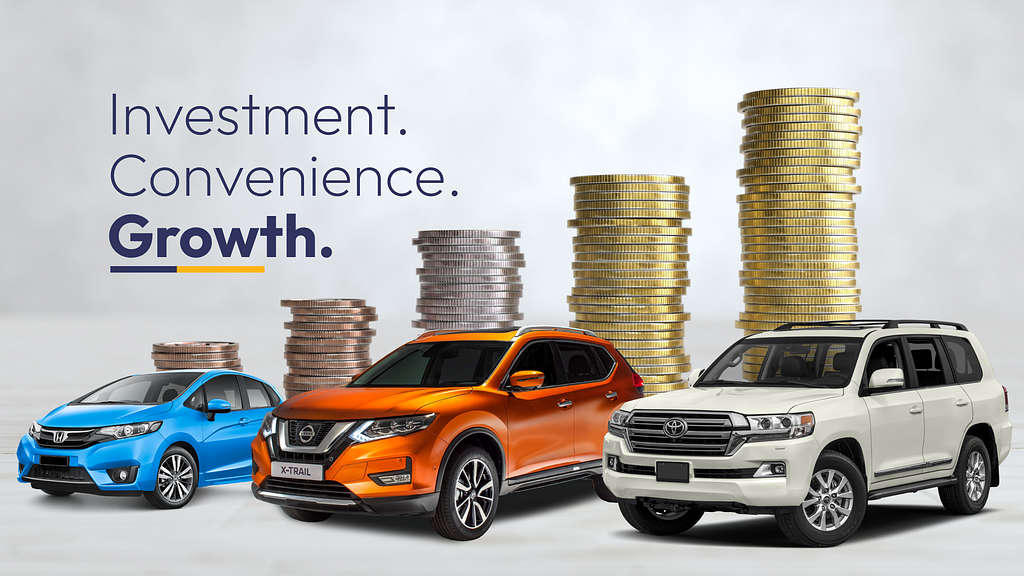
For many entrepreneurs in Uganda, owning a car is not simply about convenience; it’s an essential tool for running and expanding a business. In a landscape where mobility can directly impact success, understanding car financing becomes crucial. Whether you’re delivering products, transporting clients, or managing logistics, having the right vehicle can make all the difference. Why Business Owners Choose Car Financing Preserve Working Capital One of the main reasons business owners opt for car financing is to preserve their working capital. Instead of depleting cash reserves on a vehicle purchase, financing allows companies to allocate funds to other critical areas, such as expanding operations or improving marketing strategies. Expand Operations Faster With car financing, business owners can invest in multiple vehicles at once, enabling them to scale operations quickly. This is particularly important in competitive markets where speed can be a significant advantage. Improve Logistics & Efficiency A financed vehicle enhances a business’s logistics, enabling quicker, more efficient transportation of goods and services. This boost in efficiency not only improves customer satisfaction but also increases the bottom line. Best Cars for Business Use When considering car financing, it’s essential to choose the right vehicle. SUVs like the Toyota Harrier offer ample space and versatility, making them ideal for businesses with diverse needs, from transporting goods to hosting clients. Utility vehicles and pickups are well-suited for businesses that require heavy lifting or the transportation of larger items; they are indispensable. They combine power with practicality, making them a preferred choice for many entrepreneurs. Fuel-Efficient Sedans: Sedans may be the ideal choice for businesses looking to reduce operational costs. Fuel-efficient models save money in the long run, making them a smart investment for companies that prioritise budget management. How Financing Supports Growth Financing a vehicle can positively impact various facets of your business, including enabling deliveries. Reliable transportation means you can meet client demands, ensuring timely deliveries that enhance customer satisfaction and loyalty. A professional vehicle enhances client meetings and engagements, elevating your business’s reputation and fostering deeper relationships. It also builds business credibility. Having a financed vehicle can project professionalism and stability, attributes that potential clients often look for in service providers. Requirements for Business Owners At Autochek, we’re dedicated to supporting businesses in Uganda. If you’re considering car financing, here are the essential requirements for business owners: Certificate of Incorporation Company Form 20 National IDs of all Directors Latest 6-Month Bank Statement Company Board Resolution Remember, a financed car can generate income, making it an investment rather than just an expense. With the right financing plan, your vehicle can yield significant returns by facilitating operations and expanding your reach. If your business needs mobility, car financing is your fastest growth lever.

May 8, 2026

Car Financing for Business Owners in Uganda: A Complete Guide
Smart Car Purchasing: Your Guide to Car Ownership In Uganda

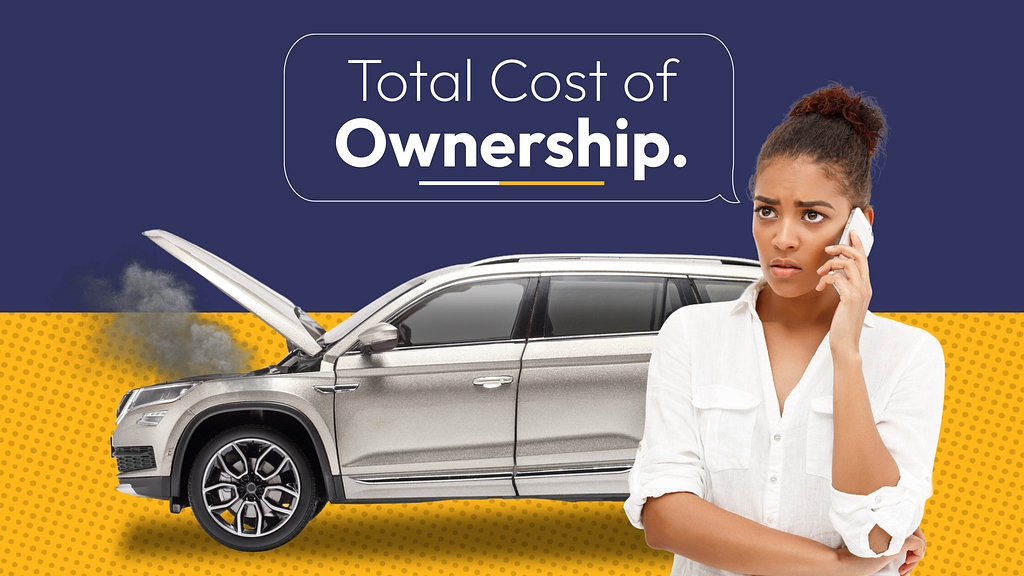
Buying a car can be exhilarating, but it’s essential to approach it strategically. While a shiny new car or a well-maintained used vehicle might catch your eye, understanding the total cost of ownership is key to making a smart investment. Here’s how to navigate the car-buying process with confidence and clarity. The True Cost of Car Ownership When purchasing a vehicle, it’s easy to fixate on the sticker price. However, the real costs often lie beneath the surface. Consider your Total Cost of Car Ownership, which includes monthly payments, maintenance, fuel, insurance, and depreciation. This holistic view will give you a clearer picture of what owning a car truly entails. Maintenance and Repairs Older vehicles may seem like a budget-friendly option at first glance, but be cautious! While the upfront costs may be low, older cars often come with the risk of frequent repairs, which can add up quickly. Investing in a newer model means spending less on maintenance and enjoying greater reliability on Uganda’s roads. Fuel Efficiency Matters Fuel prices in Uganda can fluctuate, making fuel efficiency a vital consideration when selecting your vehicle. Opt for cars known for their fuel-efficient engines — not only will this save you money in the long run, but you’ll also contribute to a greener environment! Understanding Insurance and Depreciation When it comes to insurance, newer cars may have slightly higher premiums, but they also depreciate more slowly, resulting in a more favourable resale value. This advantage can be significant if you plan to upgrade your ride down the line. Take the time to research insurance options; finding the right coverage can protect your investment and keep your costs manageable. Financing Your Dream Ride With exciting financing options available in Uganda, you can own your vehicle much sooner than you think! Many banks and financial institutions like Autochek offer competitive financing, allowing you to drive home your dream car within days. By choosing a financing plan that aligns with your budget, you can enjoy the satisfaction of ownership without the burden of long waiting periods. In conclusion, purchasing a car is more than just a transaction; it’s an investment in your lifestyle and mobility. By understanding the total cost of ownership, exploring financing options, and making informed choices about maintenance, fuel efficiency, and insurance, you can navigate the vehicle market with confidence. At Autochek Uganda, we’re committed to helping you make informed purchasing decisions. Whether you’re in the market for a new or used car, we provide the tools and resources needed to ensure your car-buying experience is as smooth and strategic as possible. Drive wisely and enjoy the journey ahead!

May 8, 2026

Smart Car Purchasing: Your Guide to Car Ownership In Uganda
View More..