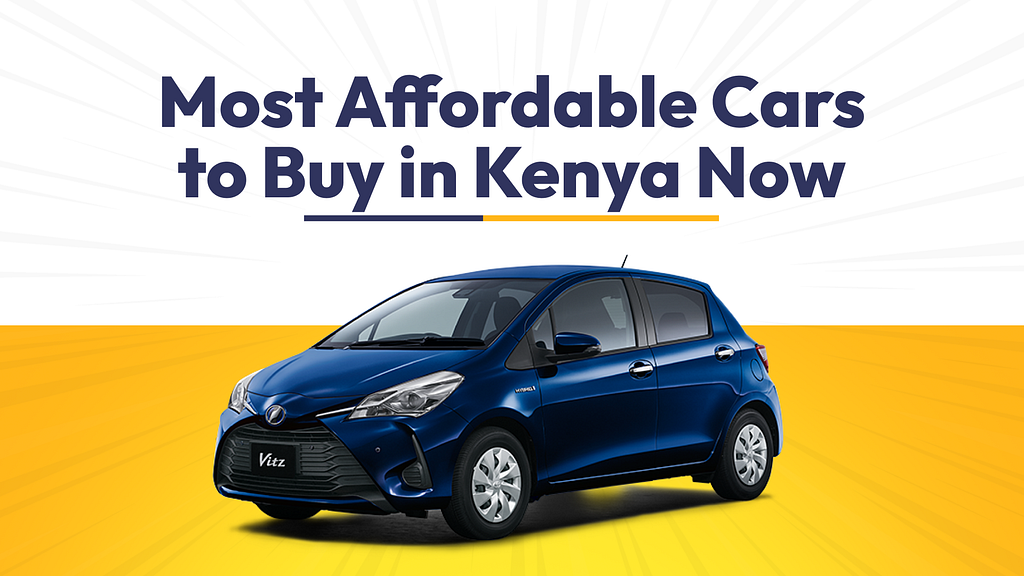
Most Affordable Cars to Buy in Kenya Now
Most Affordable Cars to Buy in Kenya Now
Owning a car in Kenya isn’t just about convenience anymore; it’s a lifeline. From escaping the matatu madness to beating traffic, getting to work on time, or running your business without a hitch, a reliable, fuel-efficient, and affordable car has become a must-have for everyone
But with fluctuating exchange rates and rising import costs, many Kenyans are now asking the same question: Which car can I afford now without breaking the bank? Check how much you qualify for here.
This guide highlights some of the most affordable cars in Kenya across three popular categories, budget-friendly cars, mid-size SUVs, and crossovers, and shows how Autochek makes owning one easier through flexible financing options.
What Makes a Car “Affordable” in Kenya Today?
Affordability goes beyond the price at the dealership. Smart buyers also consider long-term ownership costs and value. Before choosing a car, it’s important to consider the following:
Fuel consumption: With fuel prices remaining unpredictable, efficiency is key, especially for daily drivers.
Spare parts availability: Easy access to parts means lower repair costs and less downtime.
Maintenance costs: Regular servicing should be manageable, not a financial burden.
Resale value: Some cars retain their value better, making them easier to sell later.
Financing options: How the monthly repayment fits into your income.
Budget-Friendly Cars (Best for First-Time Buyers)
These cars are common on Kenyan roads for good reason. They’re affordable to buy, fuel-efficient, and easy to maintain, making them ideal for city driving and first-time car ownership.
Toyota Vitz
Price: KSh 550,000–900,000
A long-time Kenyan favourite thanks to its reliability, excellent fuel economy, and affordable spare parts. Ideal for daily commuting.
Honda Fit
Price: KSh 600,000–950,000
Sporty, practical, and fuel-efficient. Maintenance costs are slightly higher than the Vitz but still manageable.
Mazda Demio
Price: KSh 550,000–1,000,000
Comfortable, efficient, and modern-looking, a great option if you want value without stretching your budget.
Toyota Passo
Price: KSh 450,000–800,000
One of the most fuel-efficient small cars in Kenya. Perfect for new drivers and daily city errands.
Nissan Note
Price: KSh 600,000–1,000,000
Offers more cabin space, a smooth drive, and solid fuel economy, great value for money.
Financing tip:
These models often qualify for quicker approvals on Autochek due to their strong resale value and lower risk profile.
Ideal for families, long-distance driving, or anyone upgrading from a small car
Mid-size SUVs offer the perfect balance of comfort, space, and practicality. They remain affordable when purchased through financing.
Mazda CX-5
Price: KSh 1.8M — 3.2M
Stylish, spacious, and fuel-efficient. A top choice for middle-income families.
Toyota Harrier
Price: KSh 1.9M — 3.5M
Delivers a premium feel without the premium price. Known for comfort and reliability.
Nissan X-Trail
Price: KSh 1.6M — 2.8M
Great boot space, good ground clearance, and suitable for both urban and rougher roads.
Subaru Forester
Price: KSh 1.8M — 3.2M
Excellent for long-distance travel, offering solid performance and dependable AWD capability.
Toyota Vanguard
Price: KSh 1.8M — 3.0M
A powerful and spacious alternative to the RAV4, ideal for families that need extra room.
How do most buyers get cars in this category?
Many see these vehicles as an upgrade to celebrate a career milestone or a new business achievement. When it comes to the latest models in this category, buyers often turn to financing. These new SUVs come fully loaded with bigger screens, leather seats, and premium features, which makes them more expensive upfront. With Autochek’s financing options, buyers can drive off with just a 30–40% down payment and spread the balance over 6 to 48 months, making it easier to own a high-end SUV without stretching their budget.
Top Affordable Crossovers in Kenya (2025 Trend Leaders)
Crossovers continue to dominate the Kenyan market because they combine SUV styling with better fuel efficiency and modern features.
Honda Vezel
Price: KSh 1.6M — 2.8M
Modern, stylish, and very fuel-efficient — especially the hybrid option. Popular with young professionals.
Toyota RAV4
Price: KSh 2.0M — 3.4M
Reliable, versatile, and known for excellent resale value. A favourite for travel and family use.
Nissan Juke
Price: KSh 1.2M — 1.9M
Compact, efficient, and affordable with a distinctive design.
Subaru XV
Price: KSh 1.4M — 2.3M
Offers Subaru performance and stability without heavy fuel consumption.
Mazda CX-3
Price: KSh 1.5M — 2.5M
Compact, stylish, and well-suited for city and peri-urban driving.
What’s making crossovers so popular?
Crossovers have become a favorite among Kenyan drivers because they combine modern styling with improved fuel efficiency, making them practical for daily commutes, school runs, and family trips. In busy cities like Nairobi or Mombasa, their compact yet spacious design makes navigating traffic and parking easier than larger SUVs. For buyers outside the city, crossovers offer the comfort and versatility needed for longer drives upcountry. With financing options, these vehicles are even more accessible, allowing buyers to get behind the wheel without paying the full amount upfront, making it easier to enjoy style, comfort, and convenience without stretching the budget.
How Autochek Makes Car Ownership More Affordable
Autochek helps you buy with confidence and within your budget through:
Flexible car financing: Spread payments over a period that works for you, with fast approvals and clear terms.
Logbook loans: Unlock cash using your current car for business or emergencies while keeping ownership.
Hire purchase & dealer financing: Structured payment plans available with select dealerships.
Verified, inspected vehicles: Every car goes through inspection before listing.
Trusted dealer network: Buy from vetted and reputable dealers across Kenya.
Which Car Best Suits Your Budget and Lifestyle in Kenya
Buying an affordable car isn’t just about the buying price. The right car should fit your income, lifestyle, and long-term plans.
Know what you can repay each month comfortably
Choose a repayment plan that leaves room for fuel, insurance, servicing, and everyday expenses, not one that stretches your salary.
Prioritize fuel efficiency if you drive often
Daily commuting or business use makes fuel consumption a major cost. Smaller engines and hybrids can save you significantly over time.
Factor in maintenance and spare parts availability
Cars with readily available parts and experienced mechanics are usually easier to maintain.
Think about resale value early
If you plan to upgrade later, choose a model that holds its value well to minimize losses.
Compare similar models before committing
Compare cars within the same category based on fuel use, service costs, features, and reliability.
Plan ahead with Autochek’s pre-qualification checker
Get pre-qualified with Autochek before applying for the loan to estimate repayments and choose a plan that fits your income comfortably.
Not sure where to start? Here are reliable picks based on different needs:
Best for daily commuting: Toyota Vitz, Mazda Demio, Toyota Passo
Best affordable family SUVs: Mazda CX-5, Nissan X-Trail
Best crossovers for young professionals: Honda Vezel, Nissan Juke, Mazda CX-3
Best long-term value: Toyota RAV4, Toyota Harrier
Ready to get started?
Browse verified affordable cars and apply for financing in minutes with Autochek.
Dec 19, 2025