logo
logo

Mikano

+234 700-288-6243

BUYPREQUALIFY
The back of 3 cars lined up in a row

Our Blog Posts

Drive Now, Pay Monthly: Everything You Need To Know

If you’ve ever dreamt of owning a car but found the prospect daunting, you’re not alone. The rise of “Drive Now, Pay Monthly” has transformed the car ownership landscape in Nigeria, making it more accessible and flexible than ever. In this article, we’ll explore how this innovative financing option works, its benefits, and some pitfalls to avoid, all while keeping the excitement of hitting the road front and centre! How Does It Work? Imagine this: you walk into a dealership and, instead of stressing about saving for years to buy a car outright, you discover a financing plan that lets you drive home your dream vehicle today. That’s the magic of the “Drive Now, Pay Monthly” model! Here’s a breakdown of how it works: 1. Initial Deposit: After choosing your car, you typically make a small upfront payment. 2. Monthly Repayments: The financing company, like Autochek, covers most of the car’s cost, and you pay a set amount each month. This could be anywhere from one to four years. 3. Vehicle Insurance: It’s crucial to insure your vehicle to protect your investment. 4. Proof of Income: Lenders usually require this to ensure you’re able to meet your monthly payments. Benefits of Monthly Car Payments Opting for monthly payments comes with a wealth of benefits that make car ownership not just a dream, but a viable reality: - Faster Car Ownership: Wave goodbye to waiting! With this model, you can get behind the wheel of your car almost immediately. - Better Cash Flow: Spreading payments over time means you won’t drain your savings. You can keep your finances healthy while enjoying the freedom of having a car. - Business Opportunities Galore: Many Nigerians are using financed vehicles for income-generating activities like Uber, Bolt, and logistics services. Imagine earning money while driving your very own car! Mistakes to Avoid While monthly payment plans are incredibly advantageous, there are some common pitfalls you should steer clear of: 1. Choosing Repayments Beyond Your Income: Always ensure that your monthly payments are manageable within your budget. Overcommitting can lead to stress and financial strain. 2. Ignoring Insurance Costs: Don’t forget to factor insurance into your monthly expenses. It’s not just an extra cost; it’s a crucial safety net for your investment. 3. Not Reviewing Financing Terms Carefully: Before signing any agreements, read the fine print! Understanding the terms will save you from unexpected surprises down the line. The “Drive Now, Pay Monthly” trend is revolutionising car ownership in Nigeria, making it faster and more financially flexible than ever before. With careful planning and consideration, you can hit the road in your dream car sooner than you think! Are you ready to take the plunge into car ownership and explore the endless possibilities it offers? Visit www.autochek.africa/ng to get started.

May 18, 2026

Drive Now, Pay Monthly: Everything You Need To Know
Tips to Reduce Car Ownership Costs

Owning a car is a significant investment, especially in a bustling country like Nigeria, where the roads can be as unpredictable as the traffic. However, there are savvy ways to keep those ownership costs in check without sacrificing your driving experience. Here are some fun and engaging tips tailored for Nigerian car owners to help you save money and keep your vehicle in top shape. 1. Buy Fuel-Efficient Cars When shopping for a vehicle, look for fuel-efficient models that can save you money at the pump. Cars like the Toyota Corolla and Honda Civic are known for their excellent fuel economy, making them popular choices among Nigerian drivers. By opting for a fuel-efficient car, you can cut down on your monthly spending and still enjoy a reliable ride. 2. Service Regularly Regular maintenance is your car’s best friend! Keeping up with service schedules not only helps your vehicle perform better but also saves you from those pesky and often costly repairs. Whether it’s an oil change or brake inspection, staying proactive can prevent small issues from turning into major problems. Plus, regular servicing enhances your car’s resale value, which is always a win! 3. Use Trusted Mechanics Finding a trustworthy mechanic is essential. In Nigeria, where the choice of car repair services can be overwhelming, doing your research is crucial. Ask for recommendations, check online reviews, and establish a relationship with a mechanic you can trust. This way, you’ll be assured that your vehicle is in good hands, and they’ll help you keep maintenance costs down by catching problems early. 4. Avoid Flood-Damaged Cars While the allure of a bargain can be strong, steering clear of flood-damaged cars is non-negotiable. Such vehicles can lead to severe complications down the road, including electrical issues and long-term damage. Always conduct a thorough inspection and consider getting a vehicle history report before making a purchase. A little caution now can save you a lot later! 5. Compare Insurance Prices Insurance is a necessary expense for all car owners in Nigeria, but it doesn’t have to break the bank. Take the time to compare insurance providers to find the best deals that provide comprehensive coverage. Websites and platforms like Autochek Nigeria make it easier than ever to compare various options. Don’t hesitate to negotiate for a better deal or ask about discounts that might be available to you! Owning a car in Nigeria can be both exciting and challenging, but with the right strategies, you can significantly reduce your ownership costs. By choosing fuel-efficient vehicles, staying on top of regular maintenance, using trusted mechanics, avoiding flood-damaged cars, and comparing insurance prices, you can enjoy the journey without constantly worrying about your budget. Happy driving, and remember, a little diligence goes a long way when it comes to car ownership!

May 15, 2026
Tips to Reduce Car Ownership Costs
Best Affordable Cars to Maintain in Nigeria

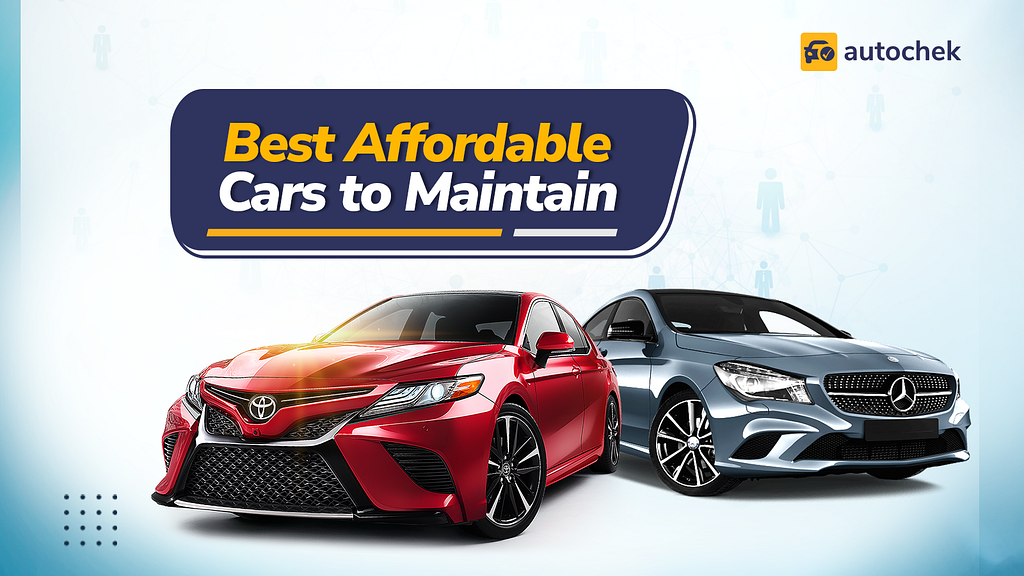
Are you on the lookout for a car that fits your budget and won’t break the bank when it comes to maintenance? Navigating the bustling streets of Nigeria with a reliable vehicle can be a challenge, but we’ve made it easier for you! Let’s dive into some of the best affordable cars that offer style and efficiency. 1. Toyota Corolla: The All-Round Performer The Toyota Corolla is not just a staple on the roads; it’s a classic choice for good reason! Known for its longevity and reliability, this compact sedan offers excellent fuel efficiency and low maintenance costs. With parts readily available and a solid resale value, the Corolla is a smart investment for anyone looking to navigate Nigeria’s diverse terrains. 2. Toyota Yaris: Zippy and Economical If you’re after something a bit smaller, the Toyota Yaris might just be the car for you! This hatchback is perfect for city driving, combining a fun driving experience with economical fuel consumption. With its compact design, finding parking in busy areas becomes a breeze. Plus, it’s easy on the wallet for repairs and upkeep! 3. Honda Civic: A Blend of Style and Substance The Honda Civic is another fantastic option for those seeking a stylish yet practical ride. This car is known for its performance and reliability, making it a top choice among Nigerian drivers. The Civic’s fuel efficiency means you can travel further without constantly worrying about refuelling. With maintenance costs that won’t leave you in a financial bind, it’s a great addition to any driveway. 4. Toyota Camry: Where Comfort Meets Affordability If you’re looking for a car with a bit more space and luxury, the Toyota Camry is a fantastic choice. While it’s slightly larger, it still maintains an affordable maintenance profile. With its reputation for durability and comfort, the Camry has become a popular choice for families and professionals alike. It’s a true blend of comfort, style, and cost-effectiveness! 5. Kia Rio: The Budget-Friendly Gem Last but not least, the Kia Rio is perfect for those who want a budget-friendly ride without compromising on quality. This compact car packs a punch with its fuel efficiency and low repair costs. With modern features, a sleek design, and a wallet-friendly price tag, the Kia Rio is ideal for first-time car owners looking to make a smart purchase. With so many options available, finding an affordable car to maintain in Nigeria doesn’t have to be a daunting task. Whether you opt for the reliable Toyota Corolla or the stylish Honda Civic, both offer a balance of performance, efficiency, and low running costs. When making your choice, always consider not just the purchase price, but the long-term maintenance and fuel costs that come with owning a vehicle.

May 15, 2026

Best Affordable Cars to Maintain in Nigeria
7 Hidden Costs Of Buying A Car In Nigeria Nobody Talks About

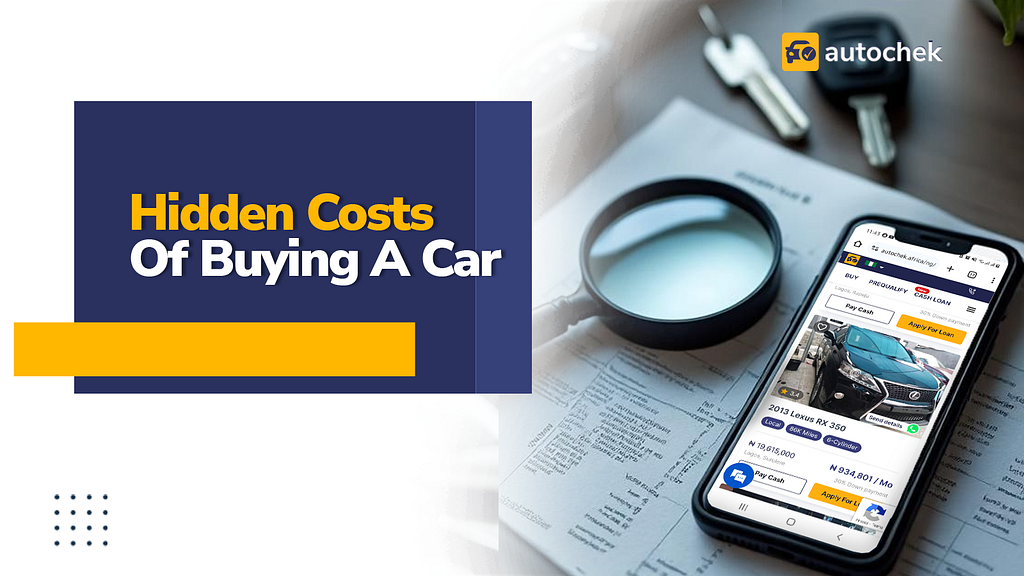
Exciting, isn’t it? Buying a car gives you the freedom to hit the road anytime you want! But while many Nigerians focus solely on that enticing purchase price, there’s a lot more to consider. Before you rev up that engine, let’s take a deep dive into the hidden costs of car ownership that often catch first-time buyers off guard. Understanding these expenses will help you budget effectively and prevent any financial potholes down the road! The Hidden Costs Of Car Ownership In Nigeria 1. Vehicle Registration Let’s kick things off with vehicle registration. Depending on your state, registration and plate number fees can be quite significant. It’s essential to factor this into your total cost because, without proper registration, you might find yourself in a bit of a pickle! 2. Insurance: Next up is insurance. Comprehensive car insurance isn’t just a good idea; it’s a must for Nigerian roads where unpredictability lurks around every corner. Don’t skimp on this one; protecting your investment is crucial! 3. Fuel Costs: Travelling around Nigeria? Your fuel expenses can vary dramatically depending on whether you’re cruising in an SUV or zipping around in a sedan. Keep this in mind when calculating your monthly spend! 4. Car Maintenance: Regular maintenance is your car’s best friend. From routine servicing and engine oil changes to brake replacements and tyre rotations, costs can quickly add up. A stitch in time saves nine; so don’t let small issues turn into big headaches! 5. Road Worthiness & Papers: Annual vehicle papers, like roadworthiness certificates, are non-negotiable here. Ensure your ride is roadworthy; it’s not just about being legal but also about your safety! 6. Repairs: Let’s talk about those notorious potholes. Poor road conditions can wreak havoc on your car, leading to suspension and tyre damage. Budget for repairs; it’s a reality you can’t ignore. 7. Loan Repayments: Did you finance your vehicle? If so, monthly loan repayments will be a significant part of your ownership costs. Be sure to choose a financing option that suits your budget. How Autochek Nigeria Helps Buyers Save Money At Autochek Nigeria, we understand that buying a car can feel overwhelming. That’s why we’re here to help you every step of the way: Access Affordable Cars: We showcase a wide variety of cars that fit your budget and preferences throughout our network of verified dealers. Multiple Financing Options: Our accessible financing options make it easier for you to own your dream car without breaking the bank. Buy Inspected Vehicles: We ensure that all cars listed on our marketplace are thoroughly inspected to give you a true picture of the car you are purchasing for your peace of mind. Reduce Maintenance Risks: With our wide network of trusted mechanics, you can find reliable services to keep your car running smoothly. As you can see, buying a car in Nigeria involves more than just the price tag. By being aware of the hidden costs, you can make smarter financial decisions and truly enjoy the freedom of car ownership. Let Autochek Nigeria be your companion in this thrilling journey; visit www.autochek.africa/ng to explore your dream ride!

May 14, 2026

7 Hidden Costs Of Buying A Car In Nigeria Nobody Talks About
How to Qualify for a Car Loan in Nigeria with Ease!

Are you among the many People dreaming of owning a car but feeling stumped by the car loan process? You’re not alone! Car loans in Nigeria are gaining popularity, offering a fantastic way to drive off without breaking the bank upfront. So, how can you improve your chances of securing that shiny new ride? Let’s dive into the nitty-gritty of qualifying for a car loan in Nigeria and make the journey a lot smoother! Why Do Many Nigerians Get Rejected for Car Loans? Understanding the common pitfalls can help you avoid them. Here are some of the major reasons folks find it tough to get approved for car financing: 1. Poor Credit History: Lenders love a good credit score! If you’ve had previous hiccups with repayments, it’s wise to start mending that credit history. 2. Inconsistent Income: Proving a steady income is crucial. Without it, lenders might hesitate to hand over the keys. 3. Incomplete Documentation: Missing paperwork can delay your loan process or even lead to rejection. Make sure you have everything on hand! 4. Applying for Cars Beyond Your Budget: Dreaming big is great, but if your repayments skyrocket above your income, it’s a red flag for lenders. 5. No Down Payment: Most lenders will expect you to cover a percentage upfront. Missing this step can halt your application. How to Qualify for a Car Loan in Nigeria Now that we’re aware of the potential roadblocks, here are some great tips to help you navigate the path to your new vehicle effortlessly: 1. Maintain Healthy Bank Statements Keep your account active with regular deposits. A healthy flow of income is an attractive sign for lenders. 2. Boost Your Credit Score Pay your bills and existing loans on time. A solid credit score can open doors (and car doors!) for you. 3. Choose Affordable Cars When shopping for your vehicle, aim for budget-friendly options that won’t stretch your finances. Think fuel efficiency and reasonable cost! 4. Prepare Your Paperwork Gather all necessary documents, including: - Valid ID - Recent bank statements - A utility bill - An employment letter - Your BVN (Bank Verification Number) 5. Save for a Deposit Aim to save up for that down payment! Most lenders are willing to finance a percentage of the car’s cost but expect you to have some skin in the game. Qualifying for a car loan in Nigeria doesn’t have to be a daunting task. By following these tips and partnering with a trusted company like Autochek Nigeria, you can turn your dream of owning a car into reality, without the financial stress. So start gathering those documents, boost that credit score, and get ready to take the wheel of your dream car! Happy driving!

May 14, 2026

How to Qualify for a Car Loan in Nigeria with Ease!
Car Mileage in Nigeria: What It Means and How to Check It

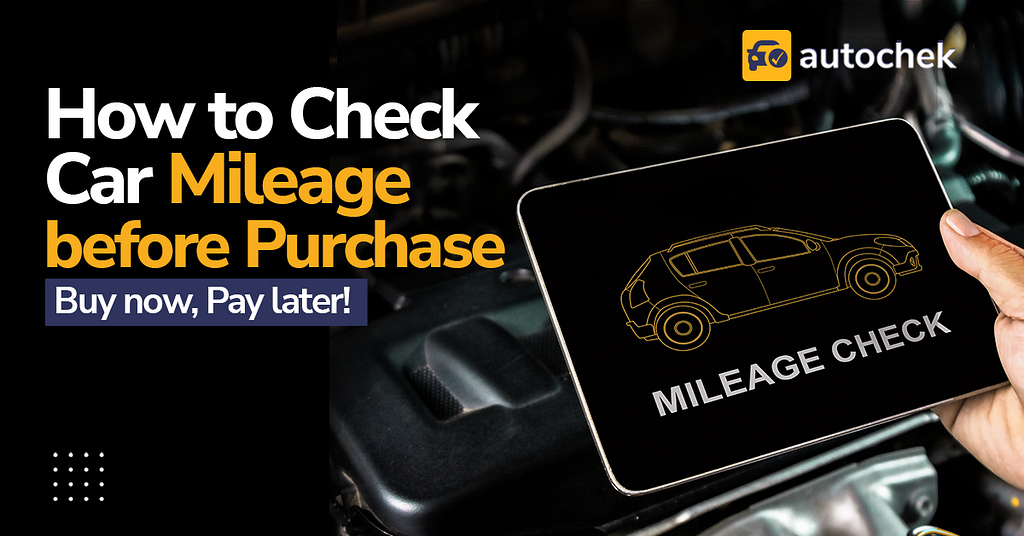
When buying a used car in Nigeria, mileage is one of the most important factors to consider. It affects the car’s lifespan, resale value, maintenance costs, and overall reliability. Understanding what mileage means, what is considered good, and how to verify it can save you from costly mistakes. In this guide, we’ll explain what mileage is, what counts as good mileage in Nigeria, how to check your car’s mileage, and how to spot if it’s been tampered with. By the end, you’ll know exactly how to make an informed purchase with confidence. What Does Mileage Mean in a Car? Mileage refers to the total distance a car has travelled, usually measured in kilometres. Most cars have an odometer on the dashboard that displays this information. Understanding Odometer vs Trip Meter Odometer: Tracks total distance since the car was manufactured Trip Meter: Tracks distance for individual trips, which can be reset Mileage affects everything from engine wear to resale value. Higher mileage often indicates greater wear and tear, while low mileage may suggest less use; always verify the reading. What Is Good Mileage for a Used Car in Nigeria? Knowing what counts as “good mileage” helps you gauge whether a used car is fairly used or overworked. Typical Benchmarks Newer cars (1–3 years): 10,000–15,000 km per year Older cars (4–10 years): 15,000–20,000 km per year may still be reasonable High mileage cars: Above 20,000 km per year — may need extra inspection Why Mileage Matters Impacts engine life and reliability Affects maintenance and repair costs Helps assess fair market value How to Check Your Car Mileage Checking Mileage Directly Look at the car’s odometer on the dashboard. Digital odometers are harder to tamper with than analogue ones. Compare the odometer reading with the service history and previous records Checking Mileage Online Use Autochek Nigeria listings — cars come with verified mileage. Some VIN-based online services provide vehicle history and mileage. Free tools may offer limited information, so use verified sources for accuracy. Can a Car Mileage Be Reset or Tampered With? Odometer tampering is unfortunately common, especially in the used car market. Warning signs include: Mismatched service records Worn pedals or seats that don’t match the mileage Odometer numbers that appear misaligned or altered Always verify mileage through multiple sources, including Autochek’s verified listings, to avoid buying a car with a rolled-back odometer. Why Mileage Is Important When Buying a Used Car in Nigeria Mileage affects: Price: Lower-mileage cars usually sell for more Maintenance costs: Higher mileage may require more repairs Reliability: High-mileage cars may have worn engines or transmissions By carefully checking mileage, you can avoid overpaying and ensure a safe, reliable purchase. Final Tips for Buyers Always cross-check the odometer reading with the service history. Compare mileage with similar models in the Nigerian market. Use Autochek Nigeria to browse cars with verified mileage Browse Used Cars with Verified Mileage on Autochek Nigeria Looking for peace of mind when buying a used car? Autochek Nigeria’s trusted listings provide accurate mileage, full vehicle details, and a trustworthy platform for your next purchase. Start exploring cars with confidence today.

May 13, 2026

Car Mileage in Nigeria: What It Means and How to Check It
How to Check a Car’s History in Nigeria (VIN, Plate & Registration Guide)

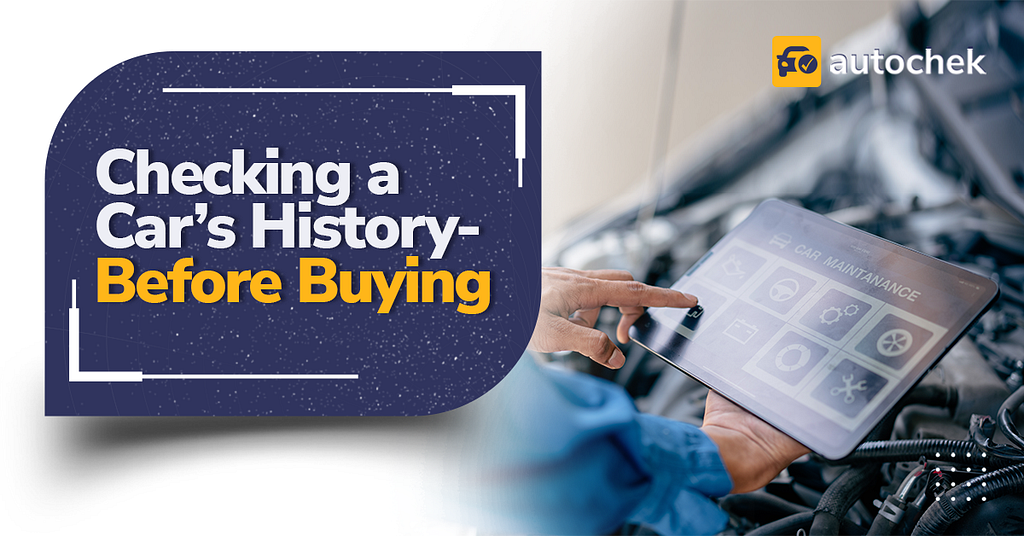
Buying a used car in Nigeria can be a smart financial decision, but only if you know exactly what you’re getting. From stolen vehicles to cloned plate numbers and hidden accident histories, there are real risks if you don’t verify a car properly. In this guide, we’ll show you how to check a car’s history in Nigeria, including verifying a VIN number, checking a plate number, confirming registration details, and understanding registration costs, so you can buy with confidence. Why It’s Important to Check a Car’s History Before Buying Before purchasing any used car in Nigeria, it’s essential to verify its background. Skipping this step could lead to serious issues, including: • Buying a stolen vehicle • Falling victim to plate number cloning • Hidden accident or flood damage • Ownership disputes or unpaid fines A proper vehicle history check helps you avoid costly mistakes and ensures the car is legally and mechanically sound. What Is a VIN Number and Why Does It Matter? A Vehicle Identification Number (VIN) is a unique 17-character code assigned to every car. Think of it as the car’s fingerprint — it contains key details about the vehicle’s origin and specifications. What Does a VIN Number Tell You? When you check a car’s VIN, you can uncover: • Country of manufacture • Manufacturer and model • Engine type and specifications • Model year • Vehicle history (in some cases) This is one of the most important steps when verifying a used car in Nigeria. Where Is the VIN Number Located on a Car? If you’re wondering where to find the VIN number, here are the most common locations: • On the dashboard (visible through the windshield) • Inside the driver-side door frame • In the engine bay • On official vehicle documents Always make sure the VIN on the car matches the one on the registration documents. How to Check a Car’s VIN Number in Nigeria Checking a VIN number helps confirm whether the vehicle details match what the seller claims. How to Check a Car VIN for Free There are free online VIN check tools that provide basic information such as: Car make and model Engine type Manufacturing details However, free tools often have limitations and may not fully capture the history. Paid VIN Checks (More Detailed Reports) For deeper insights, paid VIN checks can reveal: Accident history Import/export records Title issues Tip: When buying through Autochek, you can browse listings with verified vehicle details to reduce risk. How to Check a Car Plate Number in Nigeria Another important step is verifying the plate number. You can check a car plate number in Nigeria using official government platforms such as FRSC systems or state vehicle registration services. What You Can Find from a Plate Check Registration status Vehicle type and colour Issuing state Red Flags to Watch For The plate number doesn’t match the car No record found Details don’t align with seller claims How to Check Car Registration in Nigeria To confirm a vehicle is properly registered: Visit an official registration portal or agency Enter the plate number or VIN Verify the returned details What Should Match VIN number Plate number Owner or registration details Vehicle description Any mismatch is a major warning sign. How Much Does It Cost to Register a Car in Nigeria? Car registration costs in Nigeria vary by state, but generally include: Plate number fee Vehicle registration fee Roadworthiness certification Documentation charges On average, registration costs can range from ₦50,000 to ₦150,000+, depending on the vehicle type and location. Common Red Flags to Watch Out For When checking a car’s history in Nigeria, be cautious if you notice: VIN and plate number don’t match Seller refuses to provide documents No registration record found Price is significantly below market value Signs of tampering with VIN plates These are strong indicators that something may be wrong. Final Checklist Before Buying a Used Car in Nigeria Before you make a purchase, ensure you: ✔ Check the VIN number ✔ Verify the plate number ✔ Confirm registration status ✔ Inspect the car physically ✔ Review all documents carefully Browse Verified Cars on Autochek Nigeria Looking to avoid the stress of manual checks? Browse a wide selection of used cars on Autochek Nigeria, where vehicle details are carefully reviewed to help you make safer, more informed decisions. Start exploring and find a car you can trust today.

May 13, 2026

How to Check a Car’s History in Nigeria (VIN, Plate & Registration Guide)
View More..